
To find a forgotten Kula Deivam, start with family clues — the paternal native village, surname or kootam, community, and old customs such as where ear-piercing or first tonsure was done — and ask the eldest relatives. If that fails, Prasanna Jothidam can indicate the deity's form, direction and type of temple. Once found, the family visits, offers worship, and keeps at least an annual connection.
Why the Kula Deivam matters
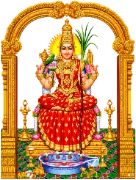
The Kula Deivam is the deity your lineage has worshipped for generations — often a village Amman (Mariamman, Angalamman, Kaliamman), a guardian such as Ayyanar, Karuppasamy, Muneeswarar or Sudalai Madan, or a form of Murugan, Perumal or Shiva. Tamil tradition says "குலதெய்வத்தை கும்பிடாமல் எந்த தெய்வத்தை கும்பிட்டாலும் பலன் இல்லை" — no prayer bears full fruit until the family deity is honoured.
Families who have lost the connection often describe the same pattern: marriages and childbirth delayed despite good horoscopes, repeated losses, a sense that prayers "don't reach". Restoring Kula Deivam worship is frequently the first and most important remedy Dr. Geetu Watts suggests.
Why families lose track
- Migration to Chennai, Bengaluru or abroad two or three generations ago
- Early death of elders who knew the tradition
- Inter-caste or inter-region marriages where one side's tradition faded
- Family disputes that stopped visits to the native village
- The original shrine being rebuilt, renamed or absorbed into a bigger temple
Step 1: Collect family clues
- Your father's native village, and his father's — Kula Deivam follows the paternal line
- The surname, gothram or kootam; Kongu families often know their kootam even when the deity is forgotten
- Where kaadhu kuthu (ear-piercing) and first mottai (tonsure) were done in earlier generations
- Names repeated across generations — Muniyandi, Karuppan, Ayyanar, Mariappan, Pechiammal — often hint at the deity
- Vows (nerthikadan) elders mentioned, and offerings like pongal, goat or cock sacrifice at a village festival
- Old photographs, letters, wedding invitations listing a deity at the top
Step 2: Ask the right people
Speak to the eldest relatives on the father's side, people still living in the native village, the community association, and the priest of the main temple in that area — many temples keep lists of families who come for the annual festival. If two or three relatives independently name the same shrine, you have probably found it.
Step 3: When the clues run out — Prasanna Jothidam
When memory fails, prasannam can still show the way. Through Thamboola, Deepa and Sozhi Prasannam, Dr. Geetu Watts identifies whether the deity is male or female, fierce (ugra) or calm (saumya), the direction and approximate region of the temple, the type of shrine — village, hill, riverside — and the offerings it expects. These indications are cross-checked with whatever family history you bring. She has spoken about deities such as Manappakam Kanni Amman and Patchai Amman on her YouTube videos.
Step 4: Returning to worship
- Visit with as much of the family as possible, ideally on a Tuesday, Friday or the temple's festival day.
- Offer pongal or the customary offering, light a lamp, and seek forgiveness for the gap in worship.
- Speak to the priest about the annual festival and register your family.
- Try to visit at least once a year; Panguni Uthiram is a day many families set aside for Kula Deivam worship.
- Keep a picture or symbol at home and light a lamp on a fixed weekday.
If the original shrine can no longer be traced or visited, Dr. Geetu Watts advises the accepted substitute worship so the family still receives the deity's blessing.
Kula Deivam for married women
After marriage, a woman traditionally worships her husband's Kula Deivam. She may — and should — continue to honour her father's family deity with prayers and occasional visits. When a woman's own family has lost its deity, finding it can help her parents and brothers as well.
Kula Deivam and Pithru: how they connect
Kula Deivam worship and ancestor worship are closely linked. The family deity is the one your ancestors prayed to, and honouring it is itself a way of honouring them. When a family has lost both — no shraddham for years and no visits to the family temple — the effects are often felt more strongly. In such cases Dr. Geetu Watts usually suggests restoring Kula Deivam worship first, followed by Pithru remedies such as Amavasai tharpanam. Many families report that once the deity is found, the other remedies become easier to complete — the right Amavasai arrives, the right relative agrees to perform the rite, obstacles to the journey clear.
Signs that the Kula Deivam may be calling
Tradition describes several signs that the family deity is waiting to be remembered. These are not proofs — only reasons to look into the question carefully:
- Repeated dreams of a particular temple, a village shrine, a horse, a spear or a goddess figure
- A child in the family drawn strongly to a particular deity without being taught
- Delays in marriage and childbirth across siblings or cousins at the same time
- Unexpected meetings with people from the native village, or invitations to its festival
- Elders mentioning, in passing, a vow that was "never completed"
Common mistakes to avoid
- Choosing a deity by guesswork. Adopting a famous temple as the Kula Deivam because it is convenient does not restore the lineage connection.
- Following the mother's line by mistake. The Kula Deivam usually follows the father's family.
- Visiting once and stopping. The relationship is ongoing; an annual visit keeps it alive.
- Ignoring pending vows. If elders made a nerthikadan, completing it is part of returning — as one Madurai family describes in their letter.
- Fear-based decisions. Finding the Kula Deivam is a return home, not a punishment to be feared.
What to bring to a Kula Deivam consultation
Bring the father's and paternal grandfather's native village names, the family surname and kootam, any community name, photos of old family events, the horoscopes of the head of the family and siblings, and a list of names repeated across generations. Even fragments help — a remembered festival, the colour of a temple flag, a story about a horse or a well. Families from outside Chennai, and abroad, can consult on WhatsApp video; see our Tamil Nadu and worldwide pages.
தமிழில்: குலதெய்வம் தெரியாதவர்கள் என்ன செய்ய வேண்டும்?
முதலில் அப்பாவின் சொந்த ஊர், தாத்தாவின் சொந்த ஊர், கூட்டம் அல்லது கோத்திரம், காது குத்து மற்றும் முதல் மொட்டை எங்கு செய்யப்பட்டது என்பதை வீட்டு பெரியவர்களிடம் கேளுங்கள். பரம்பரையாக வரும் பெயர்கள் (முனியாண்டி, கருப்பன், அய்யனார், பேச்சியம்மாள்) குலதெய்வத்தை பற்றி குறிப்பு தரலாம்.
எந்த தகவலும் கிடைக்காவிட்டால், பிரசன்னம் மூலம் தெய்வம் ஆண் தெய்வமா, பெண் தெய்வமா, உக்கிர தெய்வமா, சாந்த தெய்வமா, கோவில் எந்த திசையில், எந்த வகையான இடத்தில் உள்ளது என்பதை டாக்டர் கீது வாட்ஸ் கண்டறிகிறார்.
குலதெய்வம் கிடைத்தவுடன், குடும்பத்துடன் சென்று பொங்கல் வைத்து, இடைவெளிக்கு மன்னிப்பு கேட்டு வழிபடுங்கள். வருடத்திற்கு ஒரு முறையாவது செல்லுங்கள் — பங்குனி உத்திரம் குலதெய்வ வழிபாட்டிற்கு சிறந்த நாள்.
Frequently asked questions
Can a married woman worship her father's Kula Deivam?
Yes. After marriage she follows her husband's Kula Deivam but may continue to honour her father's family deity.
What if we can't visit the temple often?
Keep a picture or symbol at home, light a lamp on a fixed weekday, and visit at least once a year.
Who can find my Kula Deivam in Chennai?
Dr. Geetu Watts, Prasanna Jothidar at Mogappair, is known for tracing Kula Deivam through prasannam — in person or on video.
குலதெய்வம் தெரியாவிட்டால் எந்த தெய்வத்தை வழிபடலாம்?
குலதெய்வம் கண்டறியும் வரை, உங்கள் இஷ்ட தெய்வத்திடம் "எங்கள் குலதெய்வத்தை அடையாளம் காட்டு" என்று வேண்டிக்கொள்ளலாம். பலர் இந்த வேண்டுதலுடன் பிரசன்னம் பார்க்க வருகிறார்கள்.
Can two brothers have different Kula Deivams?
No — brothers share the paternal line and therefore the same Kula Deivam. If relatives name different shrines, a prasannam helps identify which is the original family deity and which may be an ishta deivam adopted later.
How long does it take to find a Kula Deivam?
Sometimes a single consultation is enough. Where the trail is old, a follow-up may be needed after you check the indicated region with relatives or temple priests.